Self-performed core scope
Electrical, instrumentation, substations, heat trace and controls support are handled by our own crews, tools and standards.
Houston · Gulf Coast · Self-performed E&I
Integrated crews for critical plants.
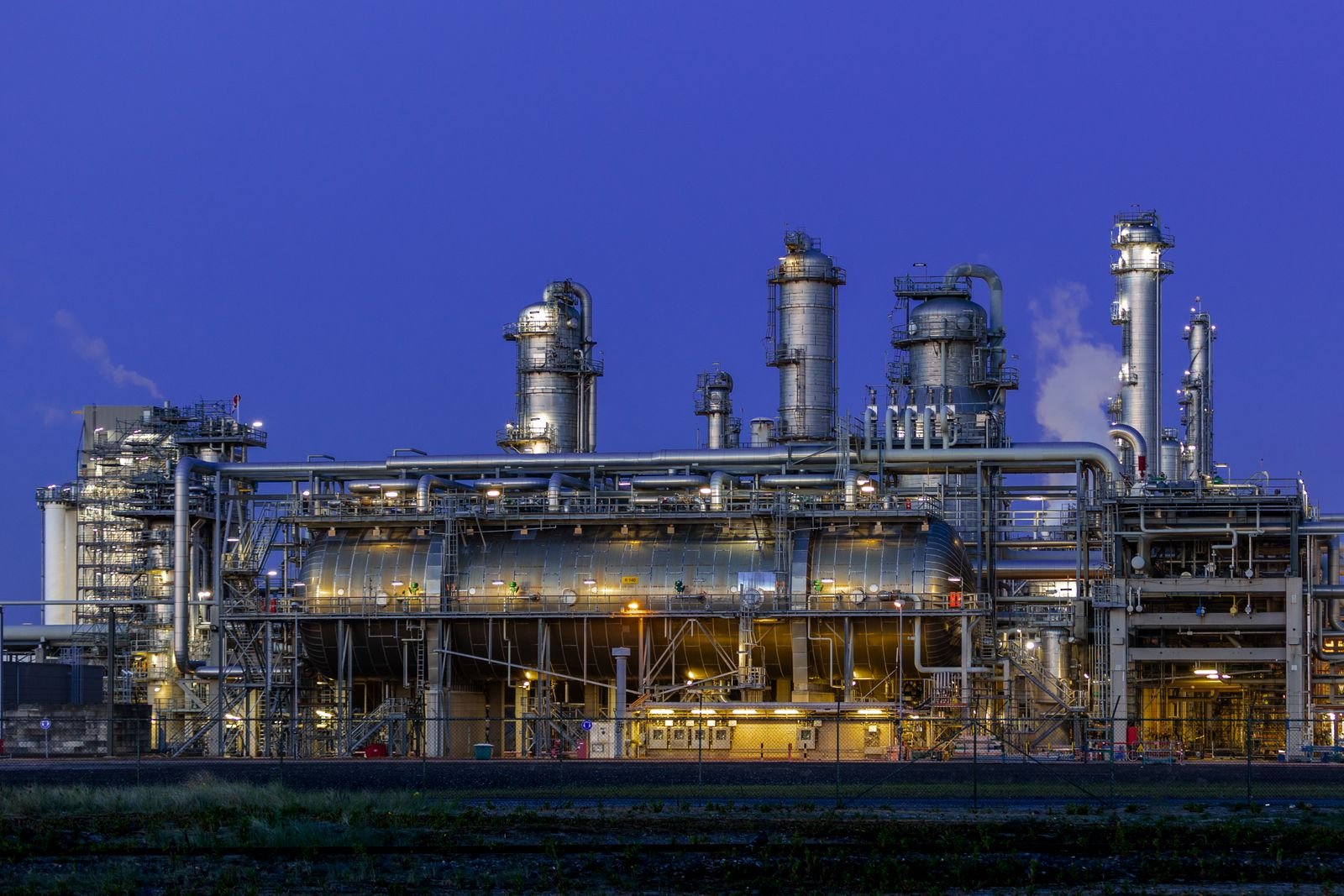
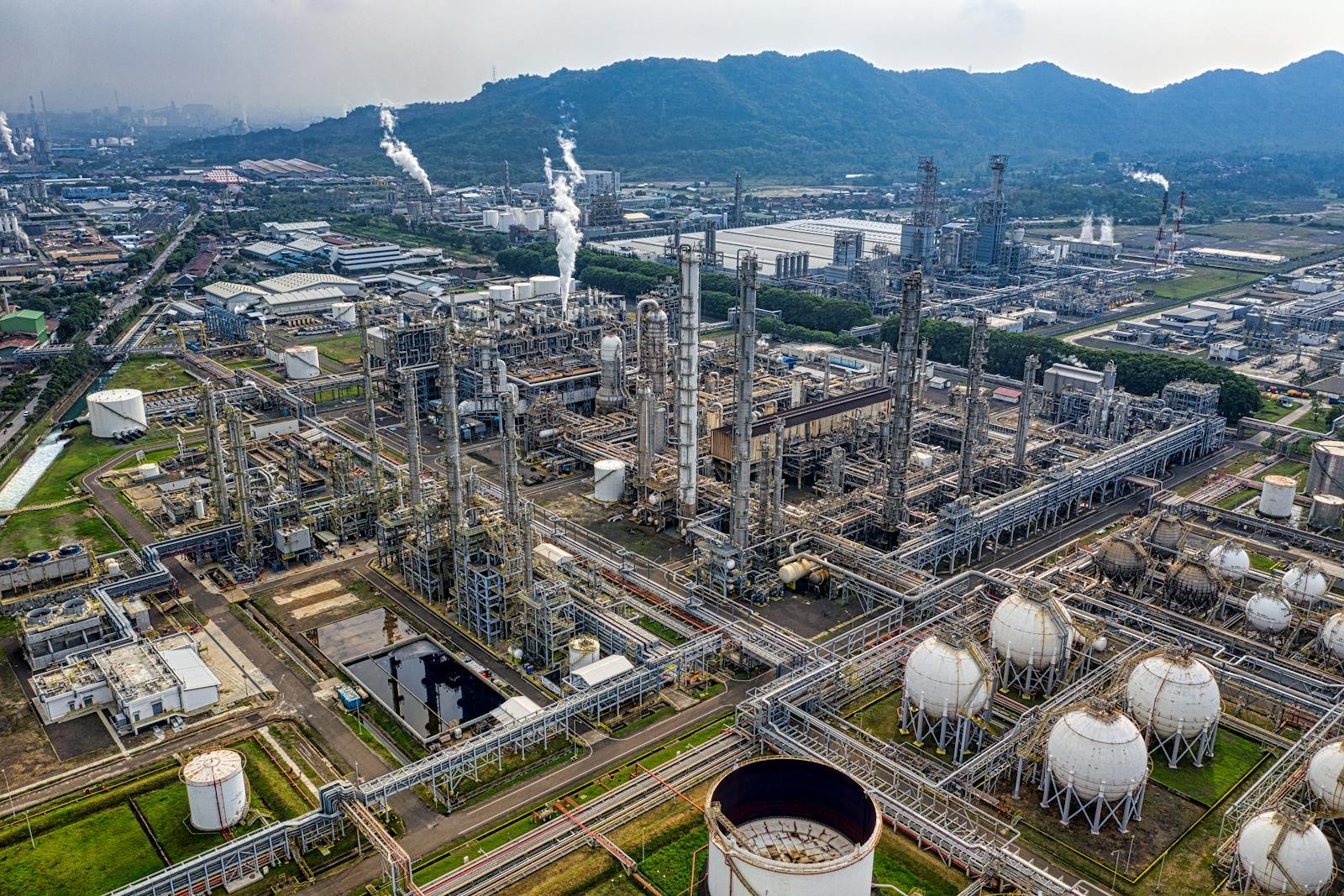
Electrical, instrumentation, power systems, controls, tank terminal and turnaround support for refineries, petrochemical units, LNG, midstream and power assets across the Gulf Coast.
Integrated delivery
Plant teams need fewer handoffs, faster mobilization and crews that understand both power and process. We connect engineering intent to field execution across E&I, substations, controls, tank terminals and maintenance windows.
Code-ready installation
Arc-flash work planning
Loop and signal discipline
Plant and construction safety
Field presence
Plant Wide brings the confidence plant teams expect from a serious industrial field partner: strong safety discipline, direct field communication, real craft labor and documented closeout.
Service platform
Focused service lines for plants that need speed, safety and field accountability from estimate through energization.
Capabilities
Across five service lines, Plant Wide brings E&I depth, infrastructure awareness and standards-based field execution to operating industrial facilities.
Plant-side distribution, feeders, MCCs and motor circuits.
From substation feed to load — sized, routed, and energized.
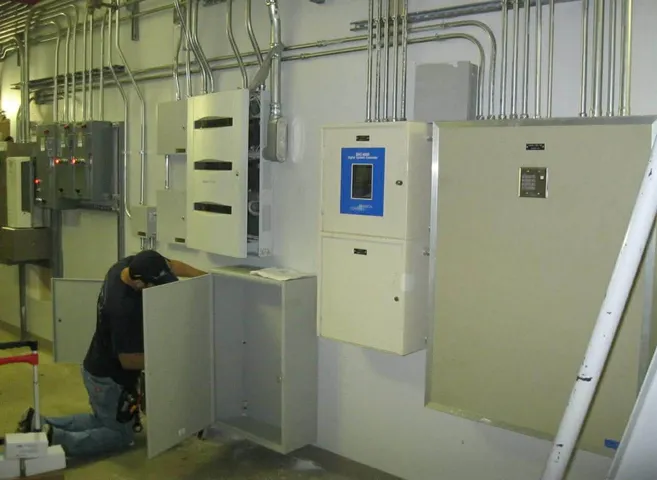
Switchgear, transformers, grounding grid, protection wiring.
Relay panels, SCADA tie-in, switching automation.
Protective relay replacement, breaker retrofits, settings verification.
NFPA 70E qualified work, energized work permits, labeling.
PLC and DCS field wiring, marshalling and termination.
Transmitters, switches, control loops, loop checks.
Field-to-control-room signal path, integration support.
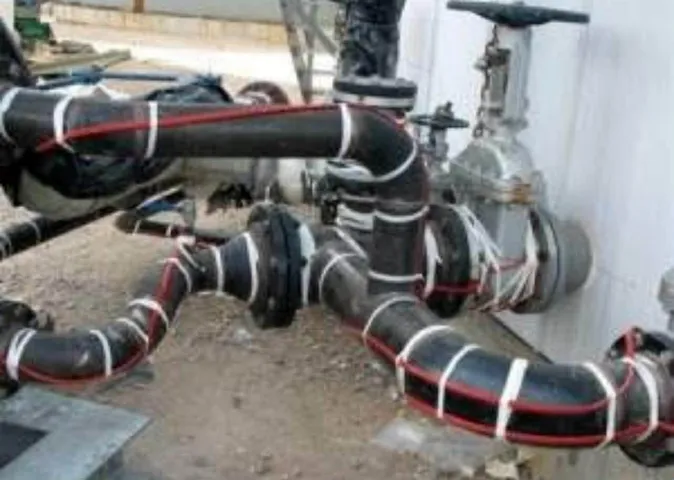
Self-regulating and constant-watt trace, insulation, controllers.
OSP and ISP fiber for plant networks and SCADA backbones.
Wood and steel pole-line construction for plant overheads.
Plant access control, camera tie-in, perimeter wiring.
Thermal scans on switchgear, MCCs and transformers.
Panel build and Factory Acceptance Testing support.
Industries
Heavy industrial environments where the cost of downtime is measured in barrels, megawatts, railcars and missed startup windows.
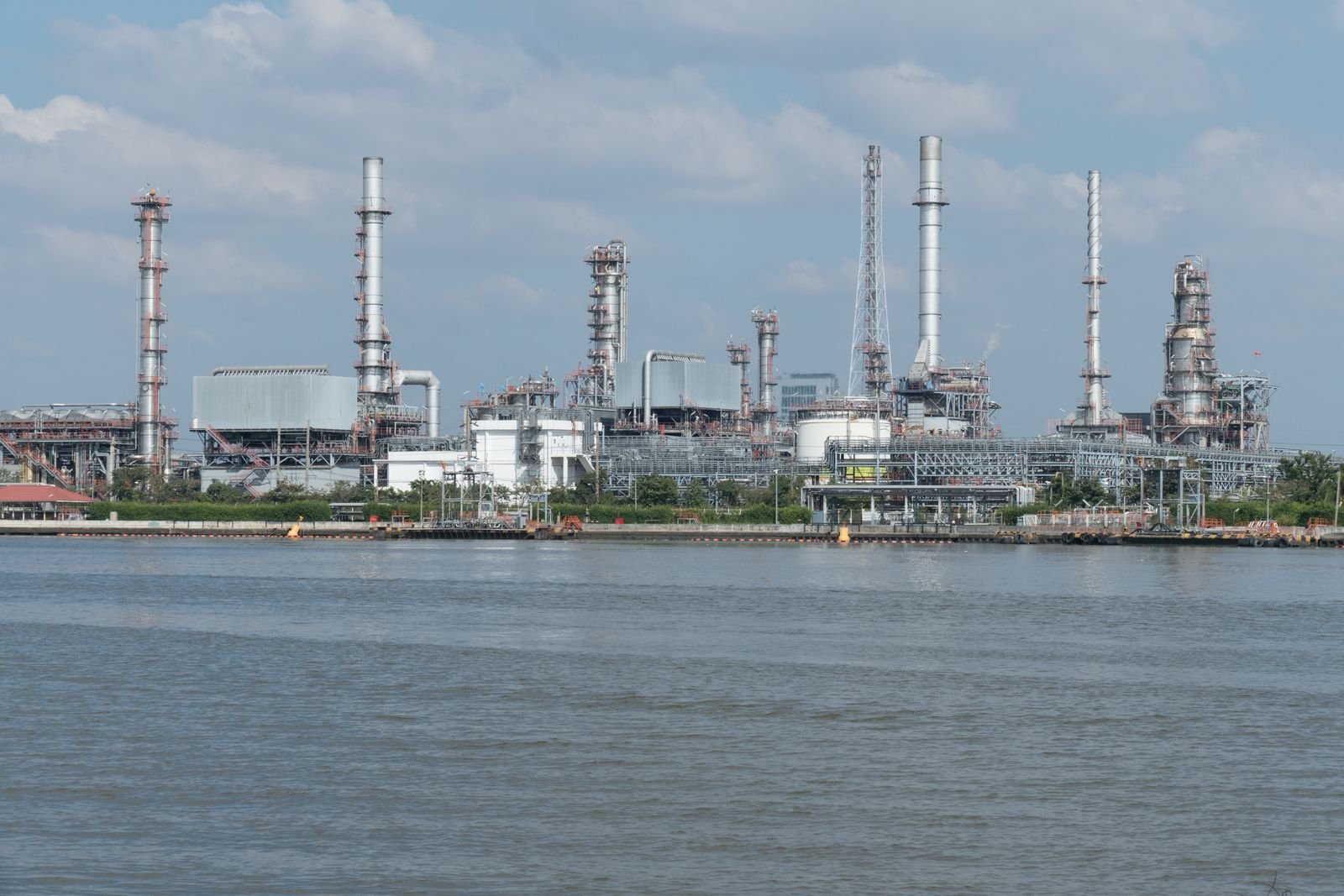
Crude, FCC, hydrotreating, alkylation, and utilities areas.
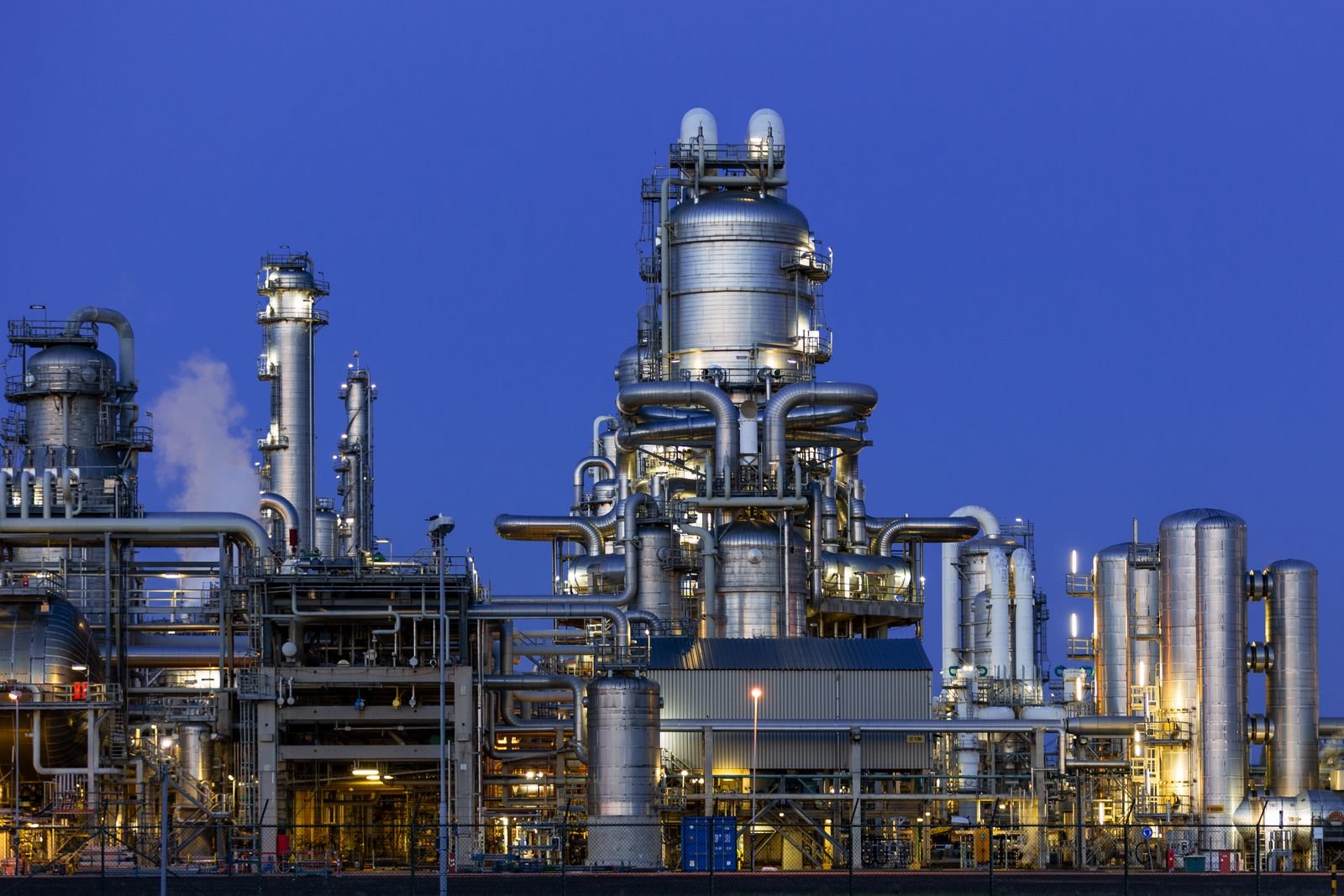
ExploreOlefins, polymers, intermediates, and specialty chemical units.
ExplorePipeline pump stations, compressor stations, metering and pigging.
ExploreCrude, refined product, and chemical tank farms with classified-area requirements.
ExploreCogen, peakers, and plant-side electrical scope.
ExploreLiquefaction and regasification support scope.
ExploreCoverage
From the Houston Ship Channel to Beaumont, Port Arthur and the Texas–Louisiana corridor. Our crews mobilize from our Houston office to the plants, terminals and substations that keep the region running.
Execution model
Why Plant Wide
Plant Wide is positioned for critical Gulf Coast work: focused enough to move fast, disciplined enough for high-consequence industrial environments.
Electrical, instrumentation, substations, heat trace and controls support are handled by our own crews, tools and standards.
Power, signals, permits, access, QA and turnover are planned together so the job does not stall between trades.
A real reply within hours on weekdays, with after-hours on-call support for outages and turnaround windows.
Lean enough for urgent repairs, organized enough to staff critical-path work without diluting supervision.
As-builts, loop checks, megger readings, ground tests and calibration records are built into the execution plan.
NFPA 70E qualified workers, OSHA-trained supervision and stop-work authority for every crew member.
Safety
Industrial E&I work is high-consequence: energized equipment, classified areas, working at height and compressed outage windows. The job is not successful unless every person goes home safely.
Arc-flash analysis review, qualified workers, energized work permits.
Site supervisors carry OSHA 30. All field crew minimum OSHA 10.
Job Safety Analysis tailored to your facility, not boilerplate.
Lockout/tagout that integrates with your site's procedure, not against it.
Crew voice
You learn the trade on the bucket — every classified-area transition, every loop check, every megger reading is a real skill you take with you for the rest of your career. Plant Wide trusted me with the tools and put me with crews who took the time to teach.
Field work
A look at the kind of work our crews are running on any given week along the Gulf Coast.
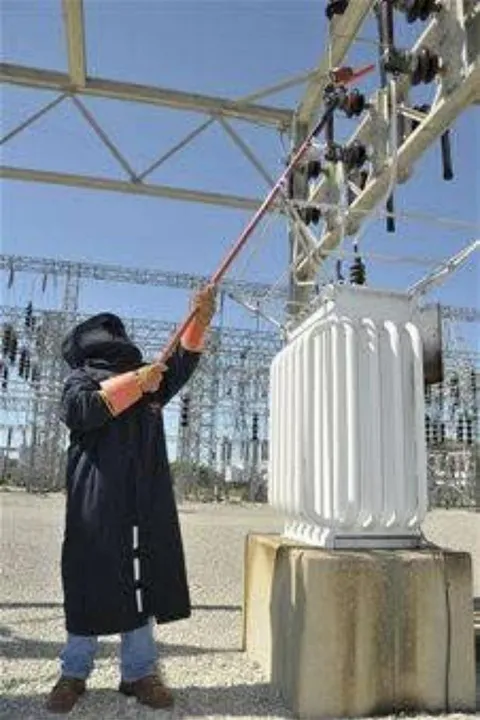
High-voltage substation inspection with full Category 4 PPE and a calibrated hot stick.
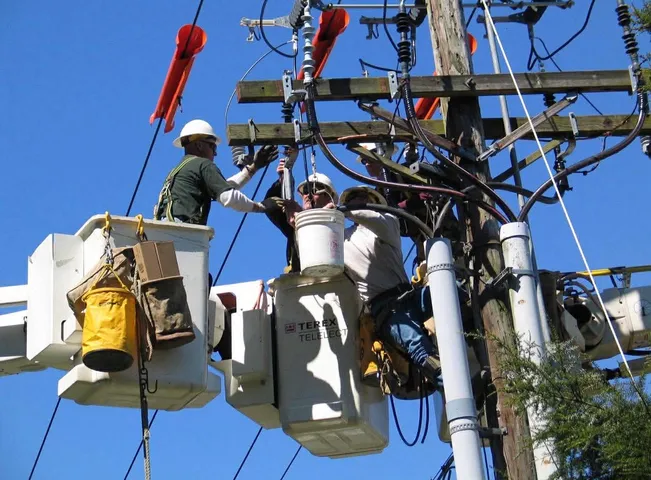
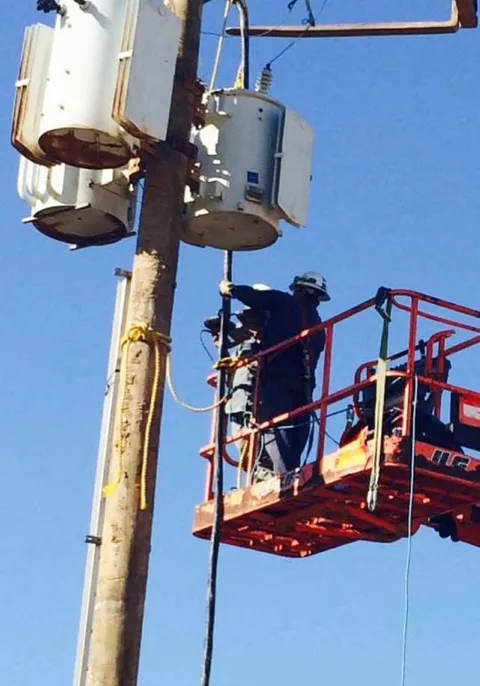
Bucket-truck crew tying in primary distribution to a plant fence-line takeoff.
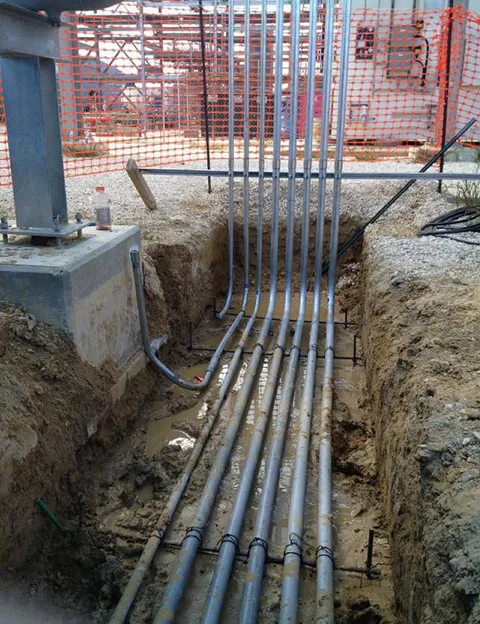
PVC-coated conduit bank with rebar reinforcement and grounding ahead of concrete pour.
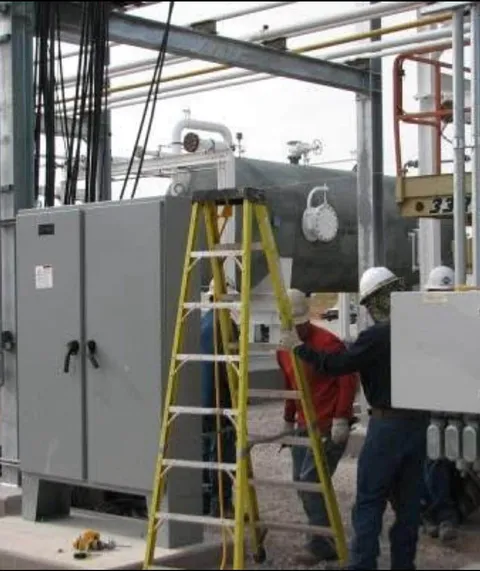
Field terminations at a vertical storage tank with classified-area conduit and seal-offs.
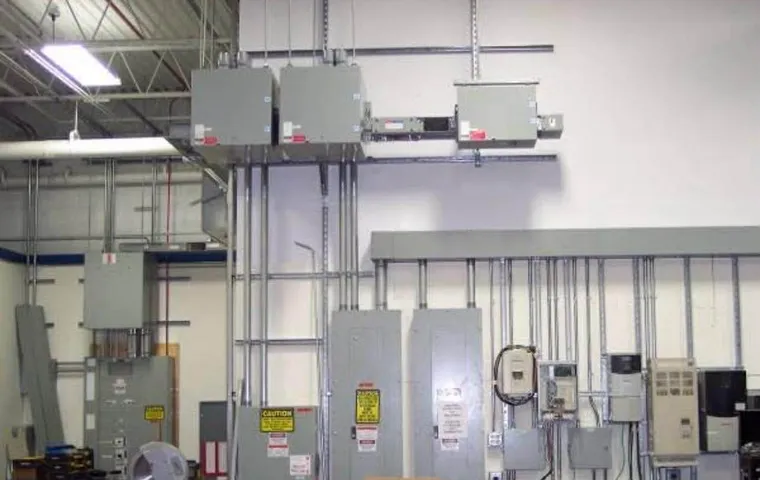
Buckets pulled, megger checks logged, control wiring verified prior to energization.
Freeze protection and impulse tubing on a process pump skid prior to startup.
We avoid invented vanity metrics. These are the commitments the company can stand behind now.
Questions
Field Notes
Short, useful pieces written by the crews on the tools. Standards, best practices, and the lessons every plant engineer should know.
I/O buildings (or Local Instrument Rooms) sit between the field and the control system. Here is what they contain, why they exist, and what to look for in a build.
A practical pre-walk checklist for a tank farm E&I scope: classified-area transitions, lightning protection, level instrumentation, and the documentation your inspector will look for.
Plant substations are not utility substations. The maintenance cadence is different, the outage planning is different, and the documentation tells a different story.
Next step
Send the basics. We will walk it down, identify the constraints and come back with a real estimate, schedule and execution path.