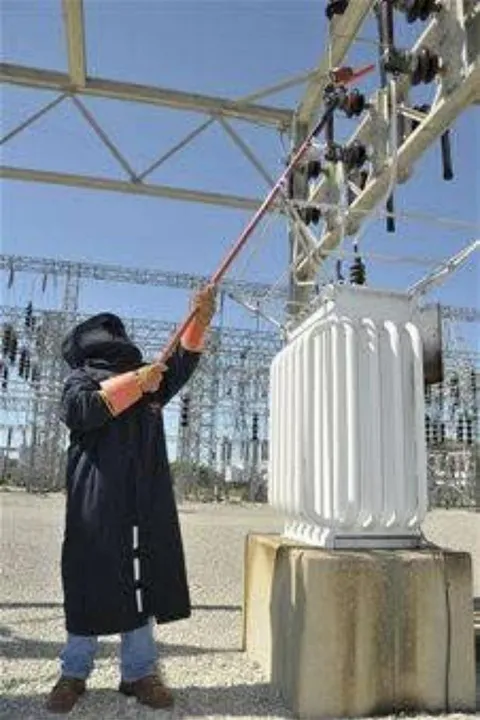
Plant substations vs. utility substations
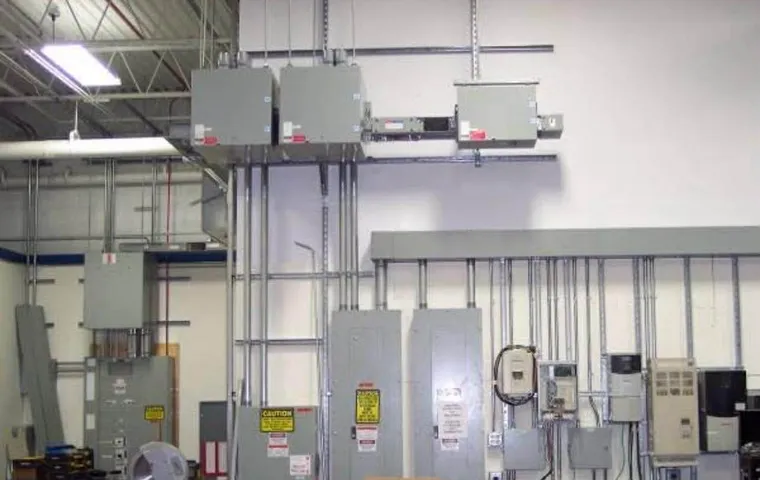
A plant substation is the boundary between utility supply and the plant's distribution. It typically lives inside the plant's fence, runs at medium voltage (4.16 kV - 34.5 kV), and feeds MCCs, transformers, and distribution panels throughout the facility. The equipment looks similar to utility substations, but the maintenance philosophy is different: it has to fit around the plant's production schedule, not vice versa.
The standards you maintain to
- NETA ATS (Acceptance Testing Specifications) for new equipment commissioning.
- NETA MTS (Maintenance Testing Specifications) for ongoing maintenance intervals.
- NFPA 70B for the recommended practice on electrical equipment maintenance.
- IEEE Std 3007 series for industrial and commercial electrical maintenance practices.
The maintenance pattern that actually works
Annual visual inspections
A walk-through with a thermal camera and a flashlight. Look for hot spots on conductor terminations, signs of partial discharge (corona pattern, discoloration), oil leaks on transformers, animal damage, vegetation contact, and rodent ingress on conduit penetrations.
Every 2-3 years: detailed maintenance
This is where most plants under-invest. A proper detailed maintenance covers:
- Transformer oil sampling — dielectric breakdown, dissolved gas analysis (DGA), moisture content, acidity.
- Insulation resistance testing on transformer windings, cables, and bus.
- Turn-ratio testing on transformer windings.
- Circuit breaker contact resistance testing and timing.
- Protective relay testing — settings verification, trip testing, coordination check.
- Ground grid resistance testing per IEEE Std 81.
After major events
After a lightning strike, fault interruption, or upstream utility event, you need a focused inspection of the affected gear. Replace fuse links, log the event in the equipment history, and consider whether the protection relay set-points need adjustment.
Where plant teams under-invest
Protective relay testing
Protective relays drift. Settings get changed by well-meaning engineers and not documented. A test routine on a 3-year cycle catches this. The cost of not testing — a relay that fails to trip on a real fault — is measured in millions, not in test hours.
Coordination studies
Plants grow. Loads change. New transformers go in. The coordination study from the original construction is rarely updated. After significant load or equipment changes, an updated study should be commissioned. Otherwise the protection scheme that worked at year 1 may be hopelessly miscoordinated at year 15.
Arc-flash analysis updates
OSHA, NFPA 70E, and most insurance carriers require an updated arc-flash study after material changes to the system. Plants change. The arc-flash labels become wrong. The PPE category required at any given panel becomes wrong. Updating the study every 5 years (or after major changes) is the minimum standard.
Outage planning specifics
Document the switching sequence in advance
Plant substations rarely have the luxury of taking the whole substation down. Switching has to happen with the rest of the system live. The switching sequence should be written, reviewed by the responsible engineer, and walked through with the operations team before the outage starts.
Stage materials and test equipment
Outage windows are tight. Every minute spent looking for a torque wrench or waiting for a hot-stick to arrive is a minute the unit is down. Materials staged 24 hours before, test equipment calibrated and brought in advance.
Pre-job safety meeting
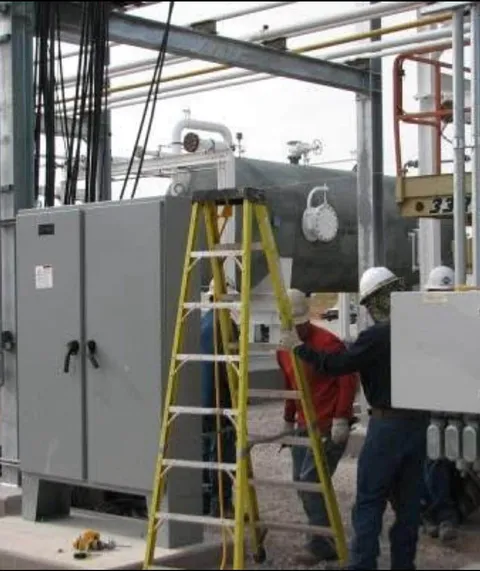
This is not a formality. The substation work involves energized parts, switching with both sides live, and equipment that fails dangerously when something goes wrong. A pre-job covering JSA, energized work permits, PPE, and the planned recovery if anything goes wrong is mandatory.
Documentation that survives the maintenance crew change
Maintenance crews change. Engineering teams change. The only thing that stays is the documentation. Every maintenance event should generate:
- A maintenance work order with start/end timestamps.
- Test records (insulation resistance, contact resistance, timing, etc.) with comparison to baseline.
- Photos of any findings (hot spots, deformation, etc.).
- Updated equipment history file.
- Recommendations for follow-up.
Three years later, when a strange event happens, the team that responds will have the trail to follow.
One last thing
Plant substations are unsexy. They sit in the corner of the plant and quietly do their job for 30 years if you let them. Pay them a little attention every 2-3 years and they reward you with a clean, uneventful service life. Ignore them and they fail dramatically at the worst possible time.
If you have a substation maintenance scope coming up, or an outage where you want a contractor that has actually worked plant-side substations, reach out.